


Our Mission
Humanculture is an Indigenous-led nonprofit organization operating internationally, incorporated in the United States as a 501(c)(3) public charity and in Canada under the Canada Not-for-profit Corporations Act. Our work focuses on expanding access to water, food, education, health services, economic autonomy, cultural preservation, and representation. Humanculture advances Indigenous and community-led work across essential access, knowledge systems, ecology, land stewardship, arts, culture, humanitarian aid, and climate resilience. We are dedicated to the life, land, and culture of African and Indigenous peoples in remote societies. We support communities that are often excluded from global visibility and resource access. Humanculture operates in multiple regions across the Global South.
Needs We Address
None
Website
Phone
DBA
Maasai Water Project
Registered Country
United States
EIN
84-3253189
NTEE Category
D30 - Wildlife Preservation & Protection ? Organizations that are responsible for the conservation, protection, care and management of fish and wildlife resources and their habitats. Use this code for organizations that provide wildlife preservation services not specified below or which deal with multiple populations of wildlife.
J22 - Job Training ? Organizations that train people in the specific skills they will need to obtain employment in a particular industry or which provide work experience for youth or others who have no employment history.
Q30 - International Development ? Organizations whose primary purpose is to provide technical assistance training and material resources to support the capacity-building efforts of nations outside the U. S. with a focus on agricultural and rural development, health, education, social welfare, small business development and industrial growth. Use this code for organizations that provide a wide range of international development and/or relief services or those not specified below.
P83 - Women's Centers ? Organizations that provide or coordinate a wide variety of programs and services that are needed by and of interest to this population.
C60 - Environmental Education ? Organizations such as nature centers that provide informal classes which acquaint participants with particular aspects of their environment and increase their understanding of and appreciation for ecological balance.
B90 - Educational Services ? Organizations that provide educational programs within the formal educational system or offered as an adjunct to the traditional school curriculum which help students succeed in school and prepare for life. Includes organizations that partner parents, families, schools, business and/or community leaders to broker resources for the benefit of local schools.
E70 - Public Health ? Organizations that inform the public of health and safety hazards and measures for furthering the early detection, treatment or rehabilitation of people who have an illness, injury or disability.
P20 - Human Service Organizations ? Organizations that provide a broad range of social services for individuals or families. Use this code for multiservice organizations such as Lutheran Social Services, Catholic Social Services and other community service organizations not specified below that provide a variety of services from throughout the P section or services from the P section in combination with services described in other sections (e.g., an organization that provides family counseling, substance abuse services, employment assistance and services for at - risk youth).
C30 - Natural Resources Conservation & Protection ? Organizations that protect our natural resources from abuse, neglect, waste or exploitation and preserve their availability for future generations.
A23 - Cultural & Ethnic Awareness ? Organizations that promote artistic expression within a particular ethnic community; work for the preservation and promotion of the traditions, values and lifestyles of different cultural groups; organize activities and events which promote cultural exchange locally or nationally; and encourage understanding and respect for different cultural heritages among the youthful members of the group as well as the mainstream population.
W99 - Public & Societal Benefit N.E.C. ? Use this code for organizations that clearly provide services relating to public affairs or society benefit where the major purpose is unclear enough that a more specific code cannot be accurately assigned.
E21 - Community Health Systems ? Multihospital health care systems that have two or more hospitals owned, leased, sponsored, or managed by a central organization. Also includes parent companies of diversified single hospital systems that provide comprehensive management and support services for the hospital. (rev. 9/2005)
K30 - Food Programs ? Organizations that provide access to free or low-cost food products to children, seniors, or indigents by distributing groceries, providing meals, providing facilities for storing food or making available land on which people can grow their own produce. Use this code for organizations that provide a wide range of food services or those that offer food-related services not specified below.
K20 - Agricultural Programs ? Organizations that focus on the development and improvement of food resources or food procurement through information and technical assistance for agricultural establishments and individuals in rural or urban settings. Use this code for organizations that provide a wide range of agricultural services or those that offer services to support the agricultural sector not specified below.
B60 - Adult Education ? Institutions outside the formal system of regular schools, colleges, universities and technical/trade schools that provide opportunities for adults to develop basic learning and communication skills, complete their high school education, expand their knowledge in a particular field or discipline or develop skills in a new area of interest.
B21 - Preschools ? Separately organized preschools or nursery schools and/or kindergartens which provide foundation-level learning for children (usually age two through five and four and one half or five respectively) prior to entering the formal school setting.
E40 - Reproductive Health Care ? Organizations that provide medical, educational and counseling services which relate to the conception, delivery and care of offspring. Use this code for organizations other than family planning centers that offer reproductive health services.
A20 - Arts & Culture ? Organizations that promote, produce or provide access to a variety of arts experiences encompassing the visual, media or performing arts.
Name
Stephanie Zabriskie
Phone
+1 84488HUMAN
Title
Executive Director
love@humanculture.org
Countries We Work In
About the communities we work in
Humanculture is an Indigenous led 501(c)(3) nonprofit advancing community driven systems for safe water, food security, education, health access, and women’s economic independence across the Global South.
Humanculture is dedicated to preserving the life, land, and culture of African and Indigenous peoples by advancing sustainable development, cultural preservation, and human rights. We support communities that are often excluded from global visibility and resource access.
Founded by Stephanie Zabriskie in 2018, Humanculture works in partnership with communities to increase access to safe water, resilient food systems, education, public health, women’s health, economic autonomy, and cultural preservation and representation.
Our work is decolonial and community-led. We partner with local leadership to expand access to fundamental human rights for women, children, and whole-village development. Humanculture’s work spans Tanzania, Kenya, Rwanda, South Africa, Madagascar, Morocco, Cambodia, and communities in Central and South America. Our work focuses on water access, food security, community health, education, women’s economic autonomy, and cultural preservation.
Our Mission
Humanculture is an Indigenous-led nonprofit organization operating internationally, incorporated in the United States as a 501(c)(3) public charity and in Canada under the Canada Not-for-profit Corporations Act. Our work focuses on expanding access to water, food, education, health services, economic autonomy, cultural preservation, and representation. Humanculture advances Indigenous and community-led work across essential access, knowledge systems, ecology, land stewardship, arts, culture, humanitarian aid, and climate resilience. We are dedicated to the life, land, and culture of African and Indigenous peoples in remote societies. We support communities that are often excluded from global visibility and resource access. Humanculture operates in multiple regions across the Global South.
Website
DBA
Maasai Water Project
Needs We Address
None
Phone
Registered Country
United States
EIN
84-3253189
NTEE Category
D30 - Wildlife Preservation & Protection ? Organizations that are responsible for the conservation, protection, care and management of fish and wildlife resources and their habitats. Use this code for organizations that provide wildlife preservation services not specified below or which deal with multiple populations of wildlife.
J22 - Job Training ? Organizations that train people in the specific skills they will need to obtain employment in a particular industry or which provide work experience for youth or others who have no employment history.
Q30 - International Development ? Organizations whose primary purpose is to provide technical assistance training and material resources to support the capacity-building efforts of nations outside the U. S. with a focus on agricultural and rural development, health, education, social welfare, small business development and industrial growth. Use this code for organizations that provide a wide range of international development and/or relief services or those not specified below.
P83 - Women's Centers ? Organizations that provide or coordinate a wide variety of programs and services that are needed by and of interest to this population.
C60 - Environmental Education ? Organizations such as nature centers that provide informal classes which acquaint participants with particular aspects of their environment and increase their understanding of and appreciation for ecological balance.
B90 - Educational Services ? Organizations that provide educational programs within the formal educational system or offered as an adjunct to the traditional school curriculum which help students succeed in school and prepare for life. Includes organizations that partner parents, families, schools, business and/or community leaders to broker resources for the benefit of local schools.
E70 - Public Health ? Organizations that inform the public of health and safety hazards and measures for furthering the early detection, treatment or rehabilitation of people who have an illness, injury or disability.
P20 - Human Service Organizations ? Organizations that provide a broad range of social services for individuals or families. Use this code for multiservice organizations such as Lutheran Social Services, Catholic Social Services and other community service organizations not specified below that provide a variety of services from throughout the P section or services from the P section in combination with services described in other sections (e.g., an organization that provides family counseling, substance abuse services, employment assistance and services for at - risk youth).
C30 - Natural Resources Conservation & Protection ? Organizations that protect our natural resources from abuse, neglect, waste or exploitation and preserve their availability for future generations.
A23 - Cultural & Ethnic Awareness ? Organizations that promote artistic expression within a particular ethnic community; work for the preservation and promotion of the traditions, values and lifestyles of different cultural groups; organize activities and events which promote cultural exchange locally or nationally; and encourage understanding and respect for different cultural heritages among the youthful members of the group as well as the mainstream population.
W99 - Public & Societal Benefit N.E.C. ? Use this code for organizations that clearly provide services relating to public affairs or society benefit where the major purpose is unclear enough that a more specific code cannot be accurately assigned.
E21 - Community Health Systems ? Multihospital health care systems that have two or more hospitals owned, leased, sponsored, or managed by a central organization. Also includes parent companies of diversified single hospital systems that provide comprehensive management and support services for the hospital. (rev. 9/2005)
K30 - Food Programs ? Organizations that provide access to free or low-cost food products to children, seniors, or indigents by distributing groceries, providing meals, providing facilities for storing food or making available land on which people can grow their own produce. Use this code for organizations that provide a wide range of food services or those that offer food-related services not specified below.
K20 - Agricultural Programs ? Organizations that focus on the development and improvement of food resources or food procurement through information and technical assistance for agricultural establishments and individuals in rural or urban settings. Use this code for organizations that provide a wide range of agricultural services or those that offer services to support the agricultural sector not specified below.
B60 - Adult Education ? Institutions outside the formal system of regular schools, colleges, universities and technical/trade schools that provide opportunities for adults to develop basic learning and communication skills, complete their high school education, expand their knowledge in a particular field or discipline or develop skills in a new area of interest.
B21 - Preschools ? Separately organized preschools or nursery schools and/or kindergartens which provide foundation-level learning for children (usually age two through five and four and one half or five respectively) prior to entering the formal school setting.
E40 - Reproductive Health Care ? Organizations that provide medical, educational and counseling services which relate to the conception, delivery and care of offspring. Use this code for organizations other than family planning centers that offer reproductive health services.
A20 - Arts & Culture ? Organizations that promote, produce or provide access to a variety of arts experiences encompassing the visual, media or performing arts.
Name
Stephanie Zabriskie
Phone
+1 84488HUMAN
Title
Executive Director
love@humanculture.org
Countries We Work In
About the communities we work in
Humanculture is an Indigenous led 501(c)(3) nonprofit advancing community driven systems for safe water, food security, education, health access, and women’s economic independence across the Global South. Humanculture is dedicated to preserving the life, land, and culture of African and Indigenous peoples by advancing sustainable development, cultural preservation, and human rights. We support communities that are often excluded from global visibility and resource access. Founded by Stephanie Zabriskie in 2018, Humanculture works in partnership with communities to increase access to safe water, resilient food systems, education, public health, women’s health, economic autonomy, and cultural preservation and representation. Our work is decolonial and community-led. We partner with local leadership to expand access to fundamental human rights for women, children, and whole-village development. Humanculture’s work spans Tanzania, Kenya, Rwanda, South Africa, Madagascar, Morocco, Cambodia, and communities in Central and South America. Our work focuses on water access, food security, community health, education, women’s economic autonomy, and cultural preservation.
Mission
Humanculture is an Indigenous-led nonprofit organization operating internationally, incorporated in the United States as a 501(c)(3) public charity and in Canada under the Canada Not-for-profit Corporations Act. Our work focuses on expanding access to water, food, education, health services, economic autonomy, cultural preservation, and representation. Humanculture advances Indigenous and community-led work across essential access, knowledge systems, ecology, land stewardship, arts, culture, humanitarian aid, and climate resilience. We are dedicated to the life, land, and culture of African and Indigenous peoples in remote societies. We support communities that are often excluded from global visibility and resource access. Humanculture operates in multiple regions across the Global South.
Vision
We envision a world in which Indigenous and remote communities have equitable access to water, food, health care, education, and economic opportunity, and where culture and identity are recognized as sources of knowledge and strength. Our vision is a future in which development is shaped by the communities themselves and grounded in dignity, autonomy, and cultural resilience.
Short-term Goals
- Expand access to clean and reliable water through the Maasai Water Project and related infrastructure initiatives.
- Strengthen community-based education programs focused on girls’ literacy, health, and leadership.
- Support women’s economic advancement through skills training and income-generating projects.
- Increase cross-cultural awareness through exhibitions, storytelling, and community engagement such as The Untold Story Exhibit in New York.
Long-term Goals
- Establish multi-country, Indigenous-led systems for water, food, health, and education across the Global South.
- Build sustained economic opportunity for women in remote communities through enterprise development.
- Create platforms that amplify Indigenous culture, governance, and representation in global development spaces.
- Develop scalable models that support local autonomy, ecological stewardship, and cultural preservation.
Value Statement
Humanculture is guided by values of respect, agency, and collaboration. We recognize Indigenous knowledge as essential to sustainable development and believe communities must lead their own solutions. We commit to practices that foster equity, accountability, cultural preservation, gender inclusion, and long-term resilience.
Elevator Speech
Humanculture is an International Indigenous-led nonprofit organization advancing community-designed solutions in water access, food security, education, health, and women’s economic empowerment. Working in remote and historically underserved communities across Africa and the Global South, we partner with local leadership to increase access to essential resources while preserving cultural identity and strengthening community agency.
Our work supports girls’ education, women’s skill development, sustainable agriculture, clean water infrastructure, and community health. We also facilitate cultural preservation and representation through exhibitions and storytelling that center Indigenous voices.
Humanculture’s approach is decolonial, collaborative, and long-term. We know that sustainable development must be shaped by the communities themselves and grounded in equity and cultural preservation.

Stephanie Zabriskie Executive Director since 2018 zabriskie.stephanie@gmail.com +1 8448848626 LinkedIn Profile

Stepanie Zabriskie Founder since 2018 zabriskie.stephanie@gmail.com LinkedIn Profile Active Monthly
Nonprofits
Community Groups, Coalitions, Collaboratives
None
Corporations
Strengths
Indigenous-led, community designed model
Global partnerships and international experience
Weaknesses
Limited funding compared to scope of need
Small team relative to project potential
Opportunities
Cultural storytelling and art exhibitions expanded
Growing interest in Indigenous leadership and sustainable, decolonial development
Threats / Challenges
Climate change, deforestation, tourism expansion, and global conflict continue to disrupt ecosystems and displace Indigenous communities, threatening cultural continuity and access to land, water, and livelihoods. These pressures undermine community autonomy and make sustainable development more difficult to achieve.
Mission
Humanculture is an Indigenous-led nonprofit organization operating internationally, incorporated in the United States as a 501(c)(3) public charity and in Canada under the Canada Not-for-profit Corporations Act. Our work focuses on expanding access to water, food, education, health services, economic autonomy, cultural preservation, and representation. Humanculture advances Indigenous and community-led work across essential access, knowledge systems, ecology, land stewardship, arts, culture, humanitarian aid, and climate resilience. We are dedicated to the life, land, and culture of African and Indigenous peoples in remote societies. We support communities that are often excluded from global visibility and resource access. Humanculture operates in multiple regions across the Global South.
Vision
We envision a world in which Indigenous and remote communities have equitable access to water, food, health care, education, and economic opportunity, and where culture and identity are recognized as sources of knowledge and strength. Our vision is a future in which development is shaped by the communities themselves and grounded in dignity, autonomy, and cultural resilience.
Value Statement
Humanculture is guided by values of respect, agency, and collaboration. We recognize Indigenous knowledge as essential to sustainable development and believe communities must lead their own solutions. We commit to practices that foster equity, accountability, cultural preservation, gender inclusion, and long-term resilience.
Short-term Goals
- Expand access to clean and reliable water through the Maasai Water Project and related infrastructure initiatives. - Strengthen community-based education programs focused on girls’ literacy, health, and leadership. - Support women’s economic advancement through skills training and income-generating projects. - Increase cross-cultural awareness through exhibitions, storytelling, and community engagement such as The Untold Story Exhibit in New York.
Long-term Goals
- Establish multi-country, Indigenous-led systems for water, food, health, and education across the Global South. - Build sustained economic opportunity for women in remote communities through enterprise development. - Create platforms that amplify Indigenous culture, governance, and representation in global development spaces. - Develop scalable models that support local autonomy, ecological stewardship, and cultural preservation.
Elevator Speech
Humanculture is an International Indigenous-led nonprofit organization advancing community-designed solutions in water access, food security, education, health, and women’s economic empowerment. Working in remote and historically underserved communities across Africa and the Global South, we partner with local leadership to increase access to essential resources while preserving cultural identity and strengthening community agency. Our work supports girls’ education, women’s skill development, sustainable agriculture, clean water infrastructure, and community health. We also facilitate cultural preservation and representation through exhibitions and storytelling that center Indigenous voices. Humanculture’s approach is decolonial, collaborative, and long-term. We know that sustainable development must be shaped by the communities themselves and grounded in equity and cultural preservation.
Stephanie Zabriskie Executive Director since 2018 zabriskie.stephanie@gmail.com +1 8448848626
Stepanie Zabriskie Founder since 2018 zabriskie.stephanie@gmail.com Active Monthly
Website
Nonprofits
Community Groups,
Coalitions,
Collaboratives
None
Strengths
Indigenous-led, community designed model
Global partnerships and international experience
Weaknesses
Limited funding compared to scope of need
Small team relative to project potential
Opportunities
Cultural storytelling and art exhibitions expanded
Growing interest in Indigenous leadership and sustainable, decolonial development
Threats / Challenges
Climate change, deforestation, tourism expansion, and global conflict continue to disrupt ecosystems and displace Indigenous communities, threatening cultural continuity and access to land, water, and livelihoods. These pressures undermine community autonomy and make sustainable development more difficult to achieve.
Revenue
$200,000
Expenses
$200,000
Funds Spent on Salaries
$0
Full-Time Employees
0
Part-Time Employees
0
1-Year Financial Goals
Humanculture aims to raise funds to expand community-led initiatives in water access, food security, education, and women’s economic empowerment across rural Africa and the Global South. Funding will focus on scaling sustainable infrastructure, training local leadership, and improving access to health services for Indigenous communities affected by climate change and resource scarcity.
5-Year Financial Goals
Our five-year target is to raise funds to support the expansion of Indigenous-led systems for water, food, health, education, and economic autonomy, supporting entire villages across Africa and the Global South. Financial growth will enable long-term sustainability, local employment, women-centered economic development, models that advance cultural preservation, climate resilience, and community sovereignty globally.
Top 5 Funders in Past Year
Individual Donor
Top Funding Sources in Past Year
Small donations
Large donors
Volunteer Program
Grants
Fundraisers (online)
Fundraisers (in person)
Corporations
Revenue
$200,000
Expenses
$200,000
Funds Spent on Salaries
$0
Full-Time Employees
0
Part-Time Employees
0
1-Year Financial Goals
Humanculture aims to raise funds to expand community-led initiatives in water access, food security, education, and women’s economic empowerment across rural Africa and the Global South. Funding will focus on scaling sustainable infrastructure, training local leadership, and improving access to health services for Indigenous communities affected by climate change and resource scarcity.
5-Year Financial Goals
Our five-year target is to raise funds to support the expansion of Indigenous-led systems for water, food, health, education, and economic autonomy, supporting entire villages across Africa and the Global South. Financial growth will enable long-term sustainability, local employment, women-centered economic development, models that advance cultural preservation, climate resilience, and community sovereignty globally.
Top 5 Funders in Past Year
Individual Donor
Top Funding Sources in Past Year
Small donations
Large donors
Volunteer Program
Grants
Fundraisers online
Fundraisers in person
Corporations
Successes
The Untold Story Exhibition (2024) In 2024, Humanculture produced The Untold Story Exhibition, an international art exhibition at One World Trade Center in New York City. The exhibition shared first-hand perspectives from Indigenous Maasai communities in Tanzania, highlighting their relationship to land, culture, and identity in the context of climate change and globalization. Curated by Humanculture Founder, Stephanie Zabriskie, the exhibition combined photography, cultural artifacts, and narrative storytelling to raise awareness of the Maasai Water Project, a community-designed initiative providing sustainable access to clean water in remote villages. The exhibition brought public visibility to issues of water scarcity, cultural displacement, women’s leadership, and climate resilience, generating thousands of visitors and wide-ranging media coverage. Proceeds supported improving access to safe water for Maasai families. The Untold Story Exhibit demonstrated how cultural representation and humanitarian work can reinforce each other, mobilizing support for water access, strengthening Indigenous voices, and advancing sustainable development across the Global South.
Funders
Maasai Water Project Small Boma School (SBS) Irwin Andrew Porter Foundation Limited access to basic education and resulting disenfranchisement from decision-making bodies are the greatest threats to the natural environment, local culture, and economic empowerment of indigenous Maasai people in the Ngorongoro Conservation Area (NCA) in Tanzania. Maasai Water Project (MWP) works with local leaders to provide access to education while respecting the Maasai’s unique culture and settlement geography. Traditional Maasai construction methods and materials are used to erect Small Boma Schools (SBSs) to provide safe, sustainable access to preschool, kindergarten, and adult education.
Challenges
From Remote Tanzania to New York City Humanculture undertook the complex effort of bringing Paulo Molell and Rokoini Diwani, two Maasai community leaders, from remote Tanzania to New York City to speak publicly about Indigenous wisdom, water access, sustainability and cultural preservation. Both men had never left their village, never had identification, and had never been on an airplane. The process required navigating extensive legal and logistical barriers, including securing passports, national identification, and U.S. visas for individuals who previously had no formal documents. This involved multiple trips across regions, coordination with government offices, legal verification, and time-sensitive approvals. After two years of work, both Paulo and Rokoini received their documents, and traveled internationally for the first time, flying with Stephanie Zabriskie to New York. During their month in the United States, they spoke at Columbia University and Fordham University, participated in forums in Washington, D.C., and co-hosted The Untold Story Exhibition at the Oculus, sharing first-hand experiences of climate pressure, cultural change, and community-driven resilience. Their presence created a rare opportunity: Indigenous leaders speaking for themselves, in global institutions where their voices are often absent. What began as a bureaucratic challenge became an historic moment of representation, visibility, and cultural exchange, amplifying the stories of their community on an international stage.
Partnerships
Partnership for Women’s Health and Dignity Humanculture partners with organizations like SAALT to expand access to reproductive health resources in remote Indigenous communities. SAALT donates menstrual cups and period products, while Humanculture’s team transports them into isolated villages that traditional supply chains cannot reach, ensuring distribution, education, and ongoing support. This collaboration improves health, mobility, school attendance, and economic participation for women and girls, while reducing stigma and waste. By combining SAALT’s resources with Humanculture’s on-the-ground relationships and cultural infrastructure, the partnership transforms lives that commercial markets and humanitarian systems consistently overlook. This work demonstrates how collaboration amplifies impact: partners contribute specialized products, and communities receive long-term, sustainable tools that increase dignity, autonomy, and opportunity for women.
Successes
The Untold Story Exhibition (2024) In 2024, Humanculture produced The Untold Story Exhibition, an international art exhibition at One World Trade Center in New York City. The exhibition shared first-hand perspectives from Indigenous Maasai communities in Tanzania, highlighting their relationship to land, culture, and identity in the context of climate change and globalization. Curated by Humanculture Founder, Stephanie Zabriskie, the exhibition combined photography, cultural artifacts, and narrative storytelling to raise awareness of the Maasai Water Project, a community-designed initiative providing sustainable access to clean water in remote villages. The exhibition brought public visibility to issues of water scarcity, cultural displacement, women’s leadership, and climate resilience, generating thousands of visitors and wide-ranging media coverage. Proceeds supported improving access to safe water for Maasai families. The Untold Story Exhibit demonstrated how cultural representation and humanitarian work can reinforce each other, mobilizing support for water access, strengthening Indigenous voices, and advancing sustainable development across the Global South.
Challenges
From Remote Tanzania to New York City Humanculture undertook the complex effort of bringing Paulo Molell and Rokoini Diwani, two Maasai community leaders, from remote Tanzania to New York City to speak publicly about Indigenous wisdom, water access, sustainability and cultural preservation. Both men had never left their village, never had identification, and had never been on an airplane. The process required navigating extensive legal and logistical barriers, including securing passports, national identification, and U.S. visas for individuals who previously had no formal documents. This involved multiple trips across regions, coordination with government offices, legal verification, and time-sensitive approvals. After two years of work, both Paulo and Rokoini received their documents, and traveled internationally for the first time, flying with Stephanie Zabriskie to New York. During their month in the United States, they spoke at Columbia University and Fordham University, participated in forums in Washington, D.C., and co-hosted The Untold Story Exhibition at the Oculus, sharing first-hand experiences of climate pressure, cultural change, and community-driven resilience. Their presence created a rare opportunity: Indigenous leaders speaking for themselves, in global institutions where their voices are often absent. What began as a bureaucratic challenge became an historic moment of representation, visibility, and cultural exchange, amplifying the stories of their community on an international stage.
Partnerships
Partnership for Women’s Health and Dignity Humanculture partners with organizations like SAALT to expand access to reproductive health resources in remote Indigenous communities. SAALT donates menstrual cups and period products, while Humanculture’s team transports them into isolated villages that traditional supply chains cannot reach, ensuring distribution, education, and ongoing support. This collaboration improves health, mobility, school attendance, and economic participation for women and girls, while reducing stigma and waste. By combining SAALT’s resources with Humanculture’s on-the-ground relationships and cultural infrastructure, the partnership transforms lives that commercial markets and humanitarian systems consistently overlook. This work demonstrates how collaboration amplifies impact: partners contribute specialized products, and communities receive long-term, sustainable tools that increase dignity, autonomy, and opportunity for women.
Funders
Maasai Water Project Small Boma School (SBS) Irwin Andrew Porter Foundation Limited access to basic education and resulting disenfranchisement from decision-making bodies are the greatest threats to the natural environment, local culture, and economic empowerment of indigenous Maasai people in the Ngorongoro Conservation Area (NCA) in Tanzania. Maasai Water Project (MWP) works with local leaders to provide access to education while respecting the Maasai’s unique culture and settlement geography. Traditional Maasai construction methods and materials are used to erect Small Boma Schools (SBSs) to provide safe, sustainable access to preschool, kindergarten, and adult education.

Amazigh Women's Health Access
Project Starts: 11/01/25
Project Ends: 12/31/26
Cost
$4000
Partner(s)
Description
Humanculture is distributing SAALT menstrual cups to Indigenous Amazigh women and girls living in remote communities in the Merzouga dunes of the Sahara desert. These communities have limited access to menstrual supplies, sanitation resources, and consistent water, making ongoing management difficult and costly. SAALT provides the cups, and Humanculture delivers them into regions that are not reachable through conventional distribution systems. The project includes soap, essential supplies, and additional clothing to support hygiene, cleaning, and daily functioning in low-infrastructure environments. Deliveries are made directly, allowing women and girls to receive products, ask questions, and adapt solutions to local routines. The initiative focuses on sustainable, reusable tools that reduce long-term waste and cost in areas without trash collection or commercial access points. By providing products that work in local conditions, the project supports mobility, dignity, and participation for women and girls in remote desert communities.
Maasai Women's Health Access
Project Starts: 04/01/26
Project Ends: 12/31/26
Cost
$10000
Partner(s)
Description
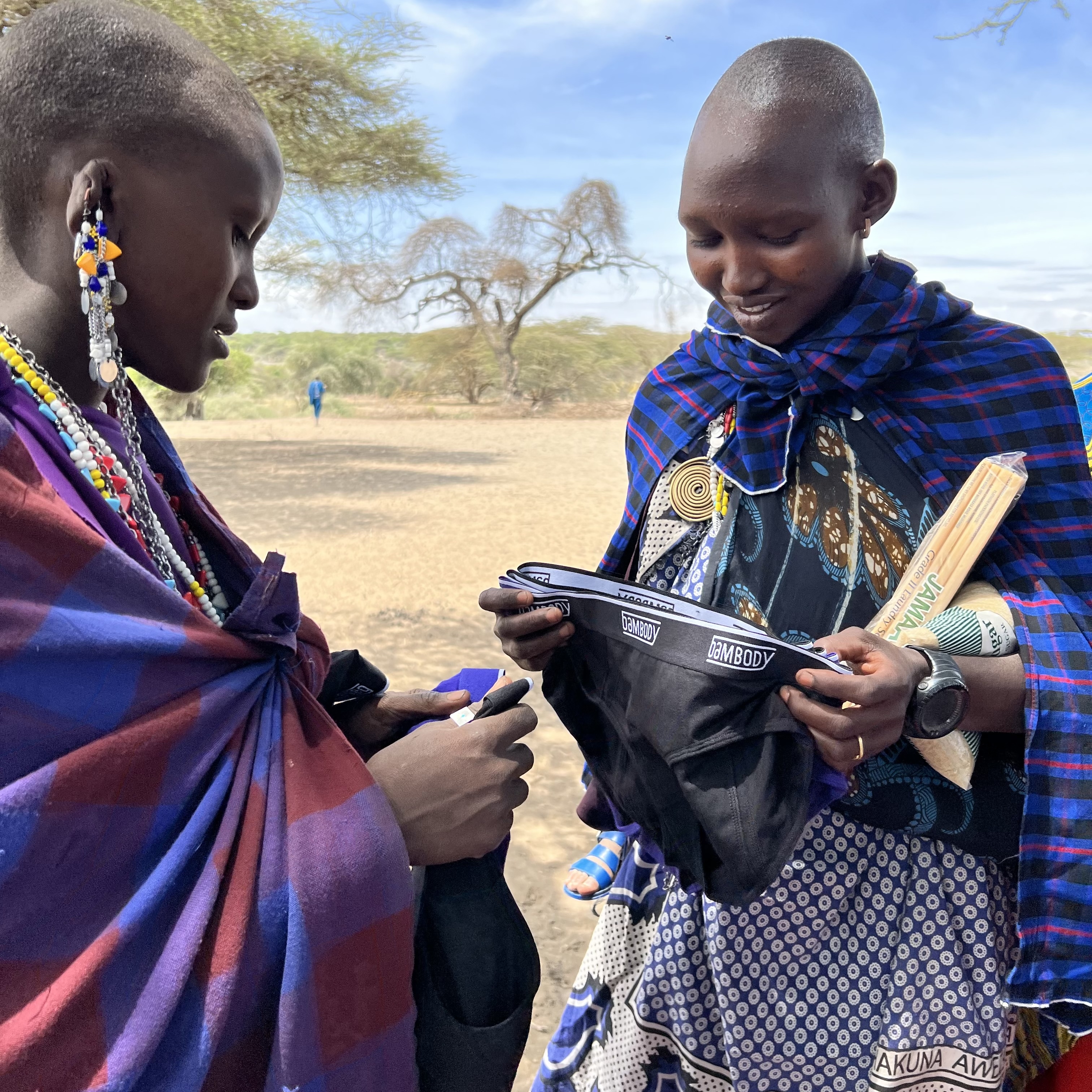
Humanculture is distributing SAALT menstrual cups to Maasai women and girls living in remote villages in the Ngorongoro region of northern Tanzania, where water scarcity and long travel distances significantly affect daily life. Girls often walk long distances to school and experience educational disruption when menstruation begins, due to the lack of sustainable menstrual products and limited access to sanitation resources. SAALT provides the cups, and Humanculture delivers them directly into remote communities that are not reached by commercial distribution systems. The project includes soap and essential supplies to support cleaning and daily hygiene in low-infrastructure environments where disposable products are impractical due to the absence of waste management. Direct delivery allows women and girls to ask questions and adapt products to local routines. By centering sustainable tools that work in environments with scarce water and limited infrastructure, the initiative supports mobility, health, and school participation for Maasai women and girls.
Education Access Maasai Boma Schools
Project Starts: 01/01/26
Project Ends: 12/31/26
Cost
$20000
Partner(s)
Description
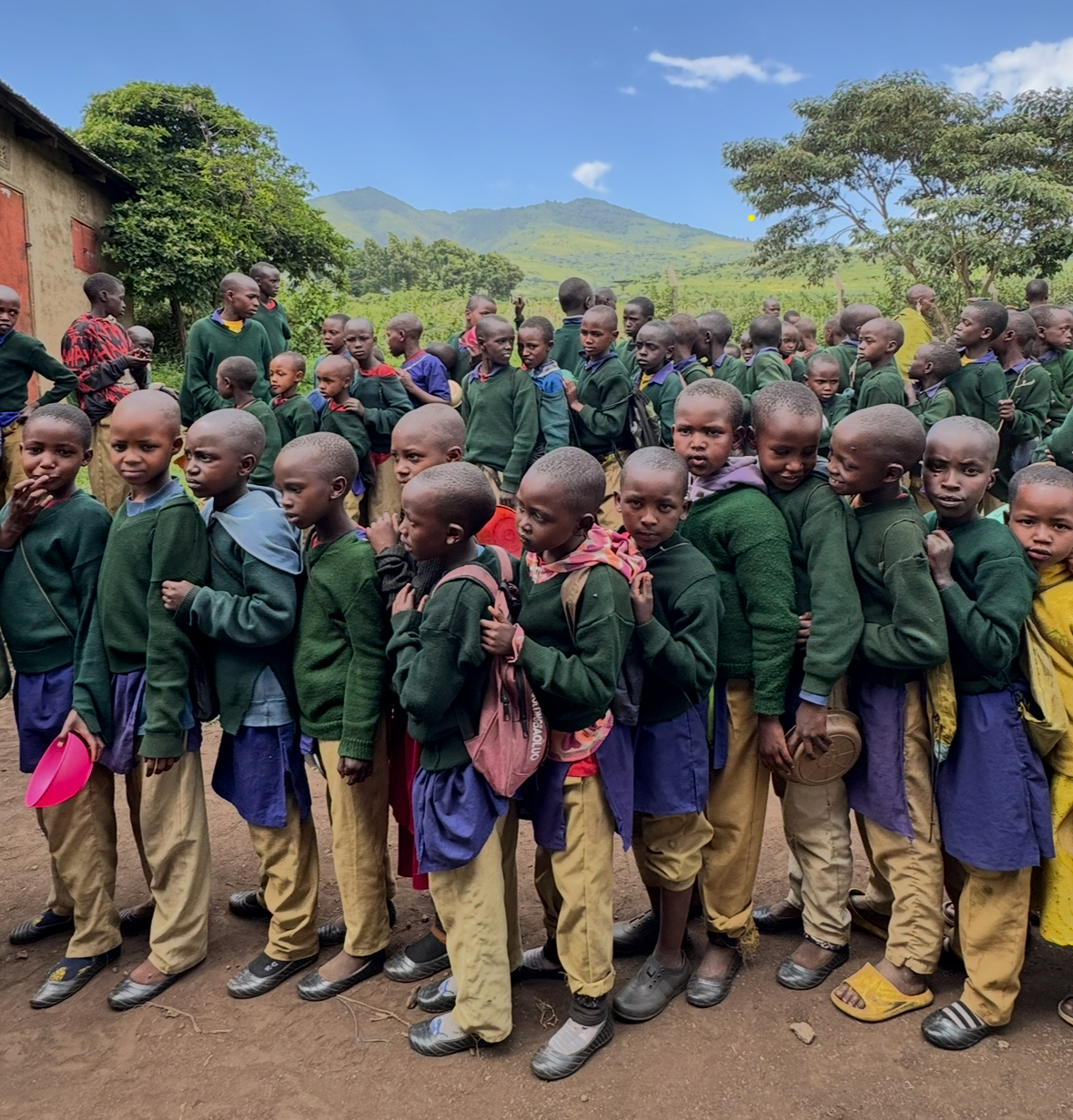
Humanculture, under its flagship East Africa initiative Maasai Water Project, has built ten small Boma schools in remote Maasai communities in Tanzania, using traditional building practices to create accessible learning environments for children who previously had no access to formal education. Each school serves approximately fifty children between the ages of four and twelve, teaching Swahili, English, math, and writing. Because these schools operate in areas without reliable supply chains, Humanculture raises funds twice a year to replenish essential learning materials, including books, paper, pencils, and blackboards, as well as to support small libraries that provide ongoing access to reading and language development. The project focuses on creating consistent, everyday access to foundational education for children living in remote locations where distance, infrastructure, and economic barriers have historically excluded them from schooling. By aligning school design, curriculum, and resourcing with local conditions, the initiative supports early literacy, language proficiency, and long-term educational participation for Maasai children.

Education Access Maasai Boma Schools
Project Starts: 11/08/23
Project Ends: 01/01/30
Cost
$20000
Partner(s)
Description
Humanculture has built ten small Boma schools in remote Maasai communities in Tanzania, using traditional building practices to create accessible learning environments for children who previously had no access to formal education.
Each school serves approximately fifty to eighty children between the ages of four and twelve, teaching Swahili, English, math, and writing. Because these schools operate in areas without reliable supply chains, Humanculture raises funds twice a year to replenish essential learning materials, including books, paper, pencils, and blackboards, as well as to support small libraries that provide ongoing access to reading and language development.
The project focuses on creating consistent, everyday access to foundational education for children living in remote locations where distance, infrastructure, and economic barriers have historically excluded them from schooling. By aligning school design, curriculum, and resourcing with local conditions, the initiative supports early literacy, language proficiency, and long-term educational participation for Maasai children.
Chorotega Pottery & Culture School
Project Starts: 12/01/25
Project Ends: 12/31/26
Cost
$2500
Partner(s)
-
Description
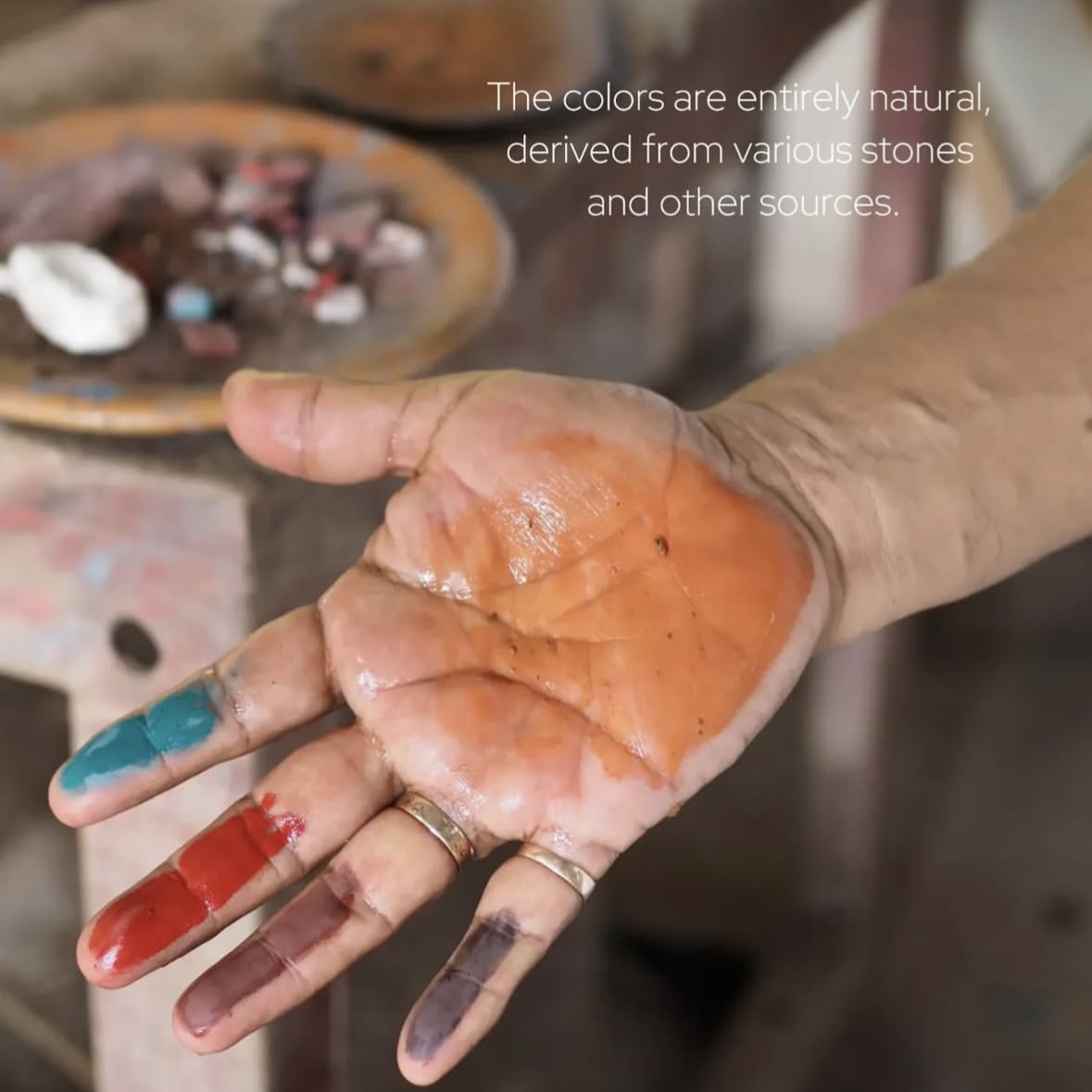
Humanculture supports the Cerámica School in the Indigenous community of San Juan de Oriente, founded to preserve the traditional pottery craftsmanship of the Chorotega people and revitalize cultural heritage through intergenerational learning. Each year, forty children and youth enroll, receiving hands-on training in pottery turning, painting, design, ceramic modeling, and cultural history. The school integrates creative arts with cultural identity, enabling students to apply their skills to family livelihoods while deepening community pride. As demand grows, the project seeks support to expand workshop capacity, improve infrastructure, and provide necessary tools — from kilns and clay to design materials and classrooms — so more youth can access stable artistic education. By merging cultural preservation with sustainable arts education, the Cerámica School empowers a new generation of Indigenous artists and fosters economic and creative opportunity rooted in ancestral tradition.
Women's Health Madagascar
Project Starts: 07/01/25
Project Ends: 10/01/25
Location
Diego Suarez , Antsiranana , Madagascar
Cost
$5000
Partner(s)
Description
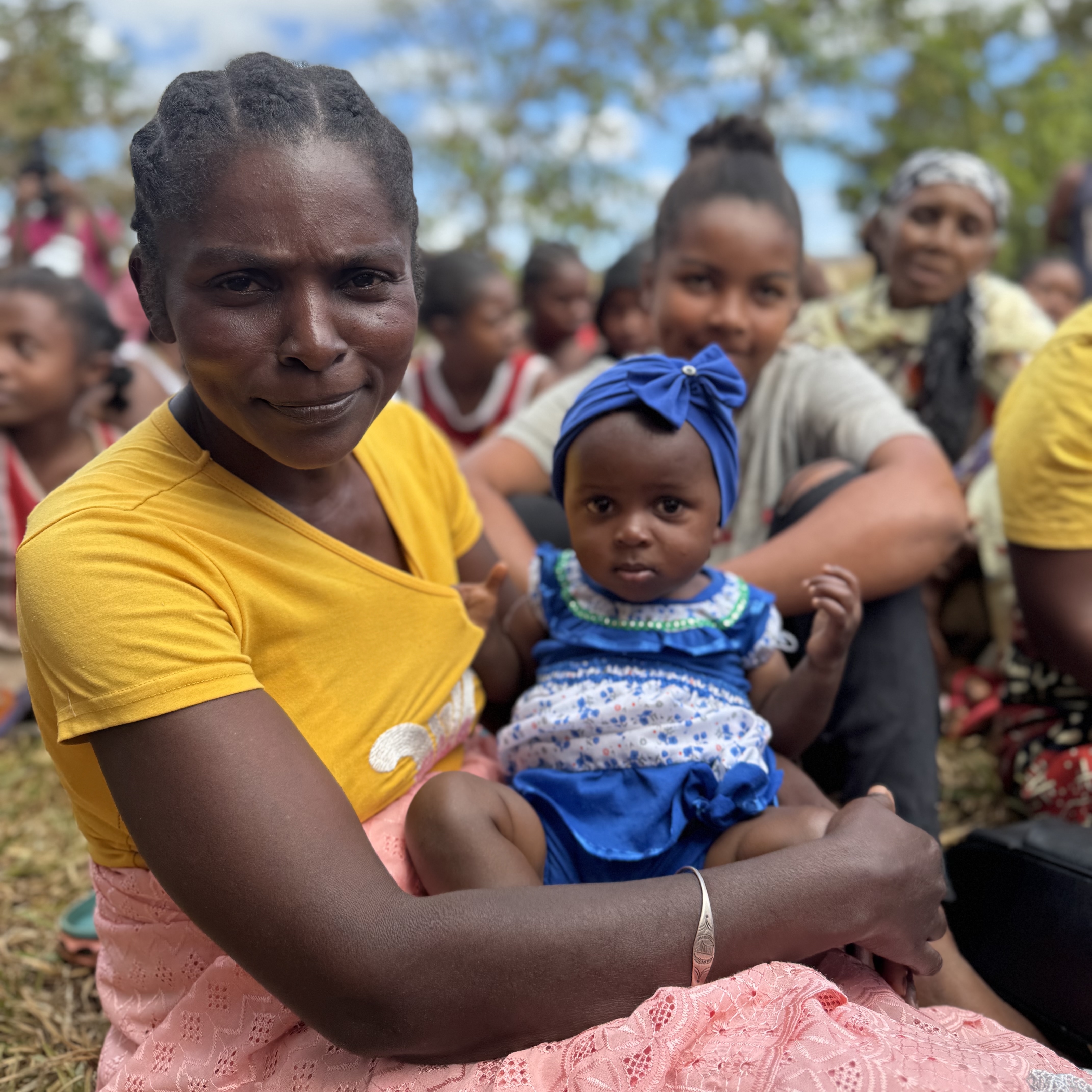
Humanculture is delivering SAALT menstrual cups to remote communities in northern Madagascar, including a women’s prison, as part of a broader women’s health initiative. In collaboration with the local government, the project also includes a health outreach program providing medical testing and essential supplies to these underserved areas. SAALT supplies the menstrual cups, while Humanculture handles the logistics of reaching these super-remote locations. By offering sustainable menstrual products and basic hygiene resources, the project helps women and girls manage their health in a way that aligns with their local environment. This initiative reduces waste, supports dignity, and strengthens the health infrastructure in these isolated communities.
The Untold Story Exhibit - Maasai at the World Trade Center
Project Starts: 03/08/25
Project Ends: 04/08/25
Location
New York , New York , United States
Cost
$20000
Description
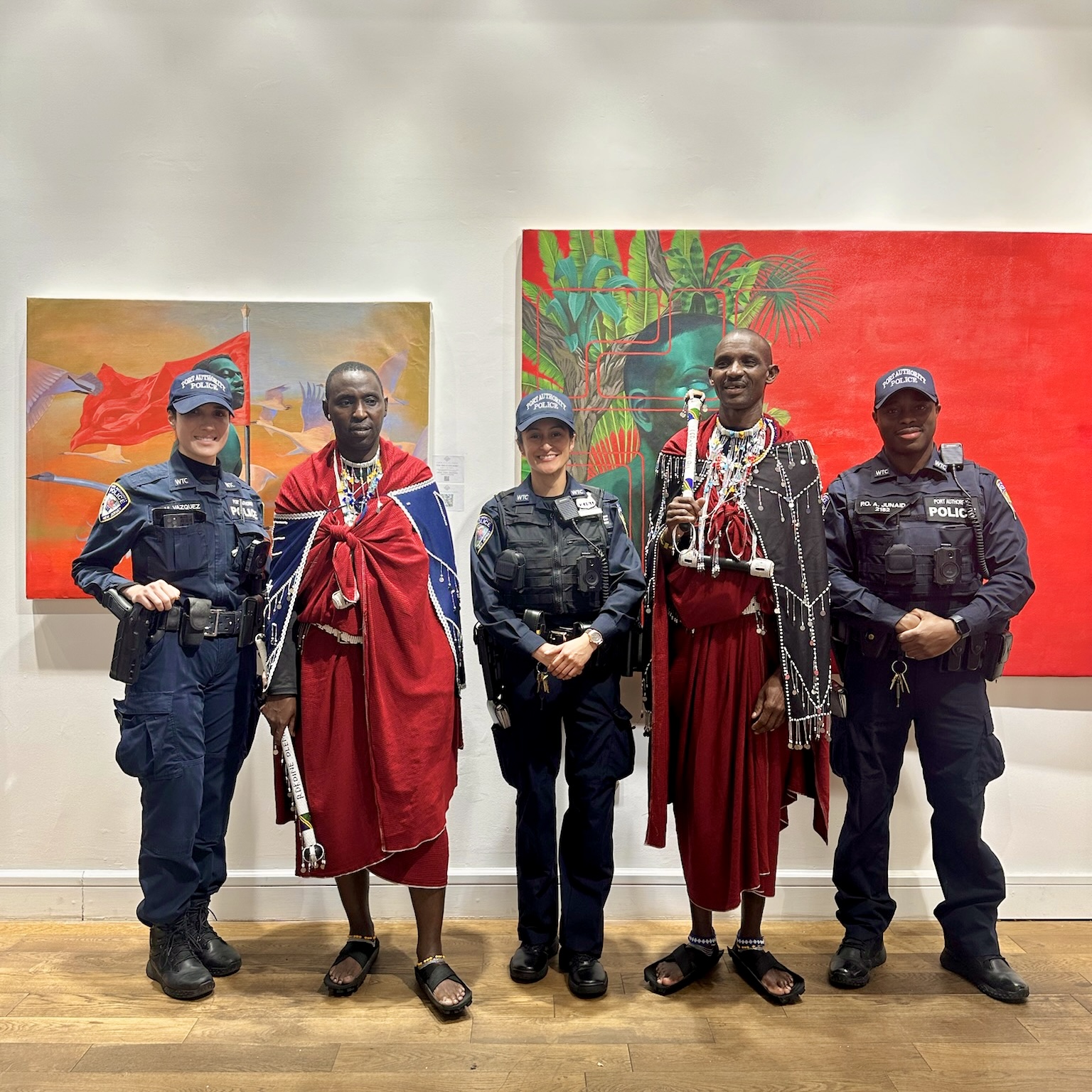
Humanculture produced The Untold Story, an art exhibition hosted at the World Trade Center in New York in 2024 to benefit the Maasai Water Project. The exhibition, curated by Stephanie Zabriskie, brought together photography, visual art, and cultural narratives from Indigenous communities to highlight identity, resilience, and the lived realities of underrepresented groups. The project created a platform for artists and community members to document their experiences, share their perspectives, and challenge existing narratives through self-determined storytelling. Funds raised from the exhibition supported sustainable water access, education, and women’s health programs in remote Maasai villages in Tanzania. The initiative connected cultural preservation with humanitarian work, using art as a public vehicle for representation, awareness, and tangible community impact. By situating Indigenous narratives within a major cultural venue, The Untold Story built cross-cultural understanding, and generated meaningful support for ongoing, community-led development projects.
Collaboration
Partnerships
-
 Nonprofit
Nonprofit Partners
-
 Community Groups, Coalitions, Collaboratives
Community Group, Coalitions, Collaboratives Partners
No organizations listed -
 Corporation
Endorsements

